



Arthroscopic Surgery
What Is Arthroscopy?
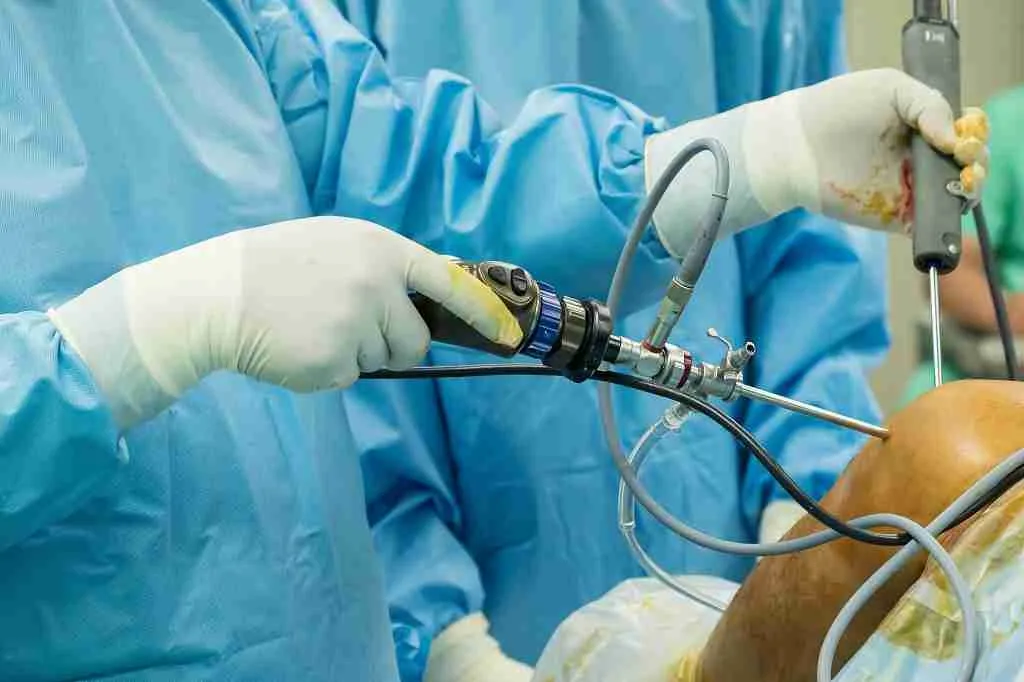
Arthroscopic knee surgery is a surgical procedure in which a small camera (arthroscope) is inserted into the knee joint. Usually arthroscopic knee surgery in Singapore is viewed on a monitor so that the whole operating team is aware of the type of surgical procedure that is being performed.
What Can Be Seen And Done With The Arthroscope?
The arthroscope allows the surgeon to see many structures inside the joint. The development of specialised instrumentation has increased the repertoire of the arthroscopic surgeon in dealing with pathology in the various joints.
During the procedure, which is conducted under anaesthesia, the inside of the joint is examined for damaged tissue. The most common types of arthroscopic surgery in Singapore are performed on the knee or shoulder.
These include removal or repair of torn structures, for instance: ligament reconstruction in the knee (ACL or PCL reconstruction surgery), stabilisation of the shoulder or repair of the rotator cuff tendons of the shoulder. Other reconstruction treatments available in Singapore include the removal of loose debris and trimming damaged cartilage.
What Are The Benefits Of Arthroscopic Knee Surgery?
Arthroscopes are approximately 5 mm in diameter, so the incisions are very small (approximately 1/8 inch). Arthroscopy is much less traumatic to the muscles, ligaments, and tissues than the traditional method of performing “open” surgery with long incisions (arthrotomy).
The benefits of arthroscopy include smaller incisions, faster healing, more rapid recovery, and less scarring. Arthroscopic surgical procedures are often performed on an outpatient basis, so the patient is able to return home on the same day.
Some common conditions in which our clinicians routinely use arthroscopic surgery in Singapore include:
- ACL, PCL and other ligament reconstructions about the knee joint
- Meniscus tears of the knee
- debridement as well as repair
- Shoulder dislocation and instability
- Shoulder rotator cuff disease and tears
- Loose bodies in the shoulder, knee, elbow or ankle
- Cartilage ulcers in the knee and ankle
- Certain operations involving the elbow, ankle and even hip
- Assisting in the treatment of certain fractures involving joints
What Is The Prognosis After Surgery?
The prognosis depends entirely upon what was found and what was done at the time of surgery. With proper physio and conditioning most patients return to active sports and daily activities.


Anterior Cruciate Ligament Specialists In Singapore
If you need a doctor to treat your ACL injury, look no further than OrthoSports Centre for the best sports treatments. Our team consists of clinicians who specialise in the key aspects of orthopaedic practice in Singapore. Click here if you’d like to find to more about our accomplished team!
FAQ: Arthroscopic Surgery in Singapore
A1: Arthroscopic surgery is a minimally invasive procedure used to diagnose and treat problems inside a joint. A small camera, called an arthroscope, is inserted into the joint through a small incision. This allows the surgeon to view the inside of the joint and perform necessary repairs using specialized instruments.
A2: Some of the common conditions treated with arthroscopic surgery include:
- ACL, PCL, and other ligament reconstructions: This procedure is often required for athletes or individuals who have suffered ligament injuries in the knee joint. It involves reconstructing torn ligaments to restore stability and function to the knee.
- Meniscus tears of the knee: Arthroscopy is used to repair or remove the damaged meniscus. The choice between debridement (removing damaged tissue) and repair depends on the location and severity of the tear.
- Shoulder dislocation and instability: Arthroscopic surgery can be performed to repair torn ligaments and stabilize the shoulder joint to prevent recurrent dislocations.
- Shoulder rotator cuff disease and tears: Arthroscopy is commonly used to repair torn rotator cuff tendons and remove inflamed or damaged tissue to relieve pain and restore shoulder function.
- Loose bodies in joints: These are small fragments of bone or cartilage that can cause pain and joint locking. Arthroscopy allows for removing loose bodies in the shoulder, knee, elbow, or ankle.
- Cartilage ulcers: Arthroscopy is used to repair or smoothen the knee and ankle cartilage ulcers, which can help alleviate pain and improve joint function.
- Elbow, ankle, and hip surgeries: Arthroscopic surgery can also treat certain conditions affecting the elbow, ankle, and hip joints to address pain, inflammation, or mechanical issues.
- Fractures involving joints: Arthroscopy can assist in treating certain fractures that involve the joint surface, providing a clear view for the surgeon to perform repairs.
A3: Arthroscopic surgery offers several advantages over traditional open surgery, including smaller incisions, less pain, reduced risk of infection, shorter recovery time, and minimal scarring. Because it is less invasive, patients typically experience quicker rehabilitation and a faster return to daily activities.
A4: Recovery time varies depending on the procedure and individual patient factors. Generally, patients can return to light activities within a few weeks. Still, full recovery may take several months, especially if the surgery involves complex repairs such as ligament reconstruction. Physical therapy is often recommended to help speed recovery and regain joint strength and mobility.
A5: Like all surgical procedures, arthroscopic surgery carries some risks, including infection, bleeding, blood clots, and nerve or blood vessel damage. However, the risks are generally lower compared to open surgery. Your surgeon will discuss these risks with you in detail before the procedure.
A6: To determine if you are a suitable candidate for arthroscopic surgery, a thorough evaluation by a qualified orthopaedic specialist is required. This may involve a physical examination, imaging tests such as X-rays or MRI, and discussing your symptoms, medical history, and treatment goals.
A7: During the procedure, the surgeon makes small incisions near the affected joint and inserts the arthroscope to visualize the area. Specialized instruments are used to perform the necessary repairs. The surgery is usually performed under general or regional anaesthesia, and the duration depends on the condition’s complexity.
A8: Physical therapy is often an essential part of the recovery process after arthroscopic surgery. It helps restore the affected joint’s strength, flexibility, and range of motion. Your orthopaedic specialist will provide a customized rehabilitation plan based on your condition and surgery.
A9: Preparation for arthroscopic surgery typically involves fasting for a certain period before the procedure, stopping certain medications, and arranging for someone to drive you home afterwards. Your healthcare team will provide detailed instructions on preparing for your surgery.
A10: The long-term outcomes of arthroscopic surgery are generally very positive, with many patients experiencing significant pain relief and improved joint function. The success of the surgery often depends on the type and severity of the condition being treated, the patient’s overall health, and adherence to postoperative rehabilitation protocols.