



Rotator Cuff Repair
What is the Rotator Cuff?
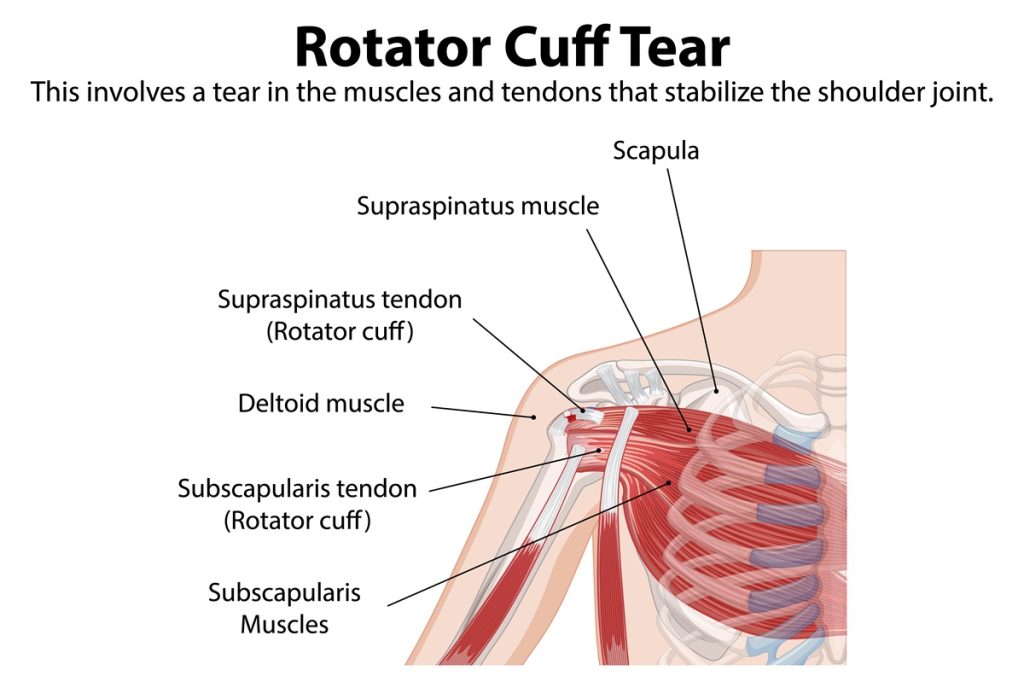
The rotator cuff is made up of four muscles and their tendons that surround the shoulder joint. These muscles help stabilise the shoulder and allow smooth arm movement.
The four muscles that form the rotator cuff are:
- Supraspinatus
- Infraspinatus
- Teres minor
- Subscapularis
Together, these muscles help keep the head of the upper arm bone securely positioned within the shoulder socket while allowing movements such as lifting, rotating, and reaching with the arm.
Damage or tears in these tendons can affect shoulder strength and mobility.
Symptoms of a Rotator Cuff Tear
A rotator cuff tear may cause several symptoms affecting shoulder movement and strength.
Common symptoms include:
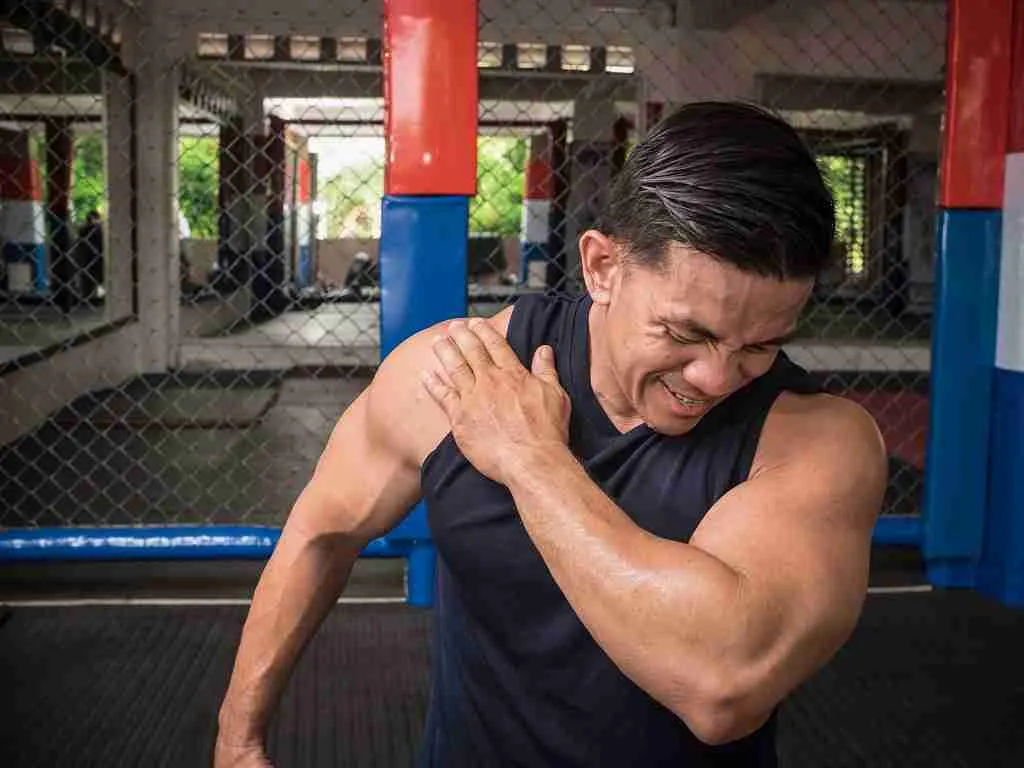
- Shoulder pain when lifting or rotating the arm
- Weakness in the shoulder or arm
- Difficulty lifting objects
- Pain when sleeping on the affected shoulder
- Clicking or popping sounds during shoulder movement
Some patients also experience worsening pain at night or difficulty performing routine activities such as combing hair or reaching behind the back.
If symptoms persist or worsen, medical evaluation may be recommended.
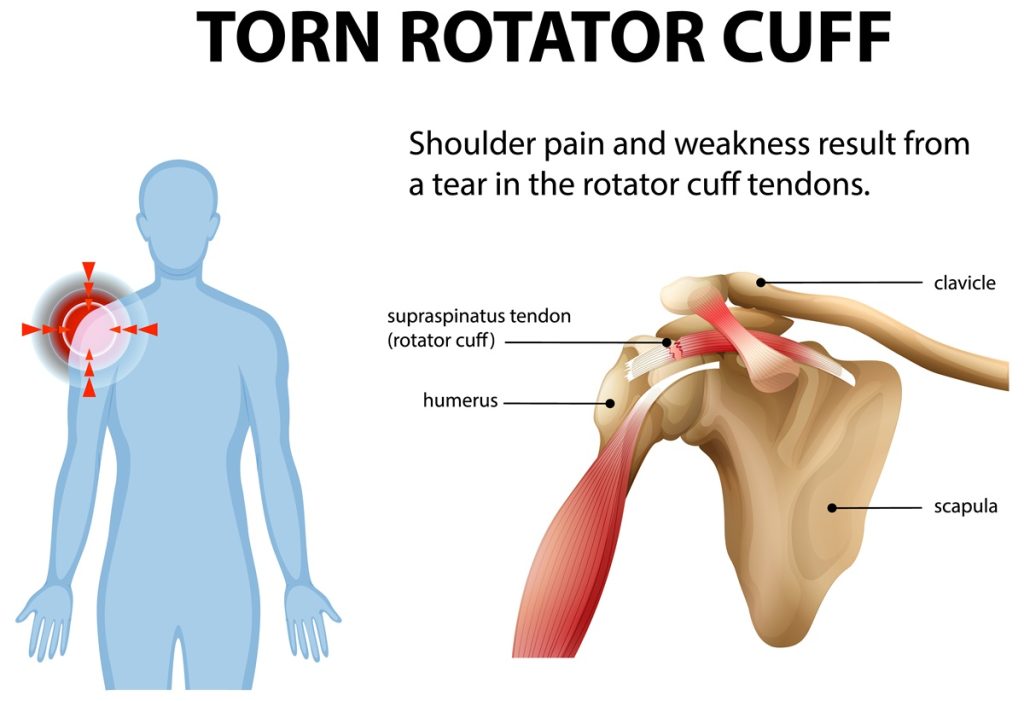
What is Rotator Cuff Repair?
Rotator cuff repair is a surgical procedure used to repair torn tendons in the shoulder. The rotator cuff is a group of muscles and tendons that stabilise the shoulder joint and allow the arm to lift and rotate. When one or more of these tendons tear, it can cause pain, weakness, and difficulty performing everyday movements such as lifting the arm or reaching overhead.
Rotator cuff repair surgery involves reattaching the torn tendon to the upper arm bone (humerus). The procedure is often performed using minimally invasive arthroscopic techniques through small incisions around the shoulder. The goal of surgery is to reduce pain, restore shoulder strength, and improve arm function.
What Is Rotator Cuff Repair Surgery and When Is It Needed?
A rotator cuff is a group of four muscles that originate from the shoulder blade and attach to the upper proportion of the arm. These muscles working in conjunction with the larger, more powerful muscles including the deltoid, pectoralis and trapezius are responsible for starting and guiding shoulder movement. In athletes, the delicate balance between strength and mobility must exist for proper shoulder function. Initial treatment following rotator cuff injury begins with rest, intermittent icing and anti-inflammatory medications. If the discomfort persists for a considerable period of time, an evaluation by an experienced physician may be required.
Physical therapy exercises aimed at restoring rotator cuff function are often initiated. In uncommon cases, surgery may be necessary. Prevention is really the best medicine. Proper pre-season conditioning of the shoulder muscles and avoiding abrupt changes in the frequency or intensity of training can help rotator cuff injuries.
Older athletes may be at slightly greater risk of rotator cuff injuries. There is also a slightly higher chance of having pain in the rotator cuff due to impingement by the surrounding bony structures. They may also be more likely to develop rotator cuff tears.
In these athletes, physiotherapy and medical treatment in the form of medications and possibly shoulder injections are still the mainstays of treatment. Some athletes who do not fully respond to these measures may require surgery. If surgery is required, the operation may be performed through a small incision over the top of the shoulder or may be performed using arthroscopy (minimally invasive) surgery. Often the type of surgery chosen would be dependant on the degree of injury to the rotator cuff.

Types of Rotator Cuff Tears
Rotator cuff tears can be classified into several types based on their extent, location, and cause:
- Partial-Thickness Tears:These involve damage to only a portion of the tendon. The tear doesn’t go through the tendon, affecting only the top layer. Partial tears can vary in depth and can sometimes heal with non-surgical treatments.
- Full-Thickness Tears: Also known as complete tears, these involve a full detachment of the tendon from the bone. The tendon is often torn into two pieces, requiring surgical intervention for reattachment.
- Acute Tears occur suddenly after an injury, such as lifting a heavy object or falling. They are often accompanied by intense pain and may result from high-impact activities or trauma.
- Degenerative Tears: These develop gradually over time due to wear and tear. Factors like age, repetitive stress, and reduced blood supply contribute to degenerative tears, which are more common in older individuals or those who use their shoulders repetitively.
- Massive Rotator Cuff Tears involve two or more rotator cuff tendons, leading to significant functional impairment. They often require complex surgical techniques for repair and may require longer recovery periods.
- Tensile Tears are caused by pulling forces that exceed the tendon’s strength. They are often related to activities that involve forceful overhead or pulling movements.
Understanding the type and severity of a tear is crucial for determining the best course of treatment, whether it involves conservative management or surgical repair.
Advanced Diagnostic Techniques
Diagnosing rotator cuff injuries accurately is crucial for developing an effective treatment plan. Common diagnostic methods include:
- MRI (Magnetic Resonance Imaging): Offers detailed images of both soft tissues and bones, allowing for precise visualization of the rotator cuff tendons and identifying the extent and location of tears.
- Ultrasound: A real-time, dynamic imaging technique used to evaluate tendon movement, detect tears, and assess muscle quality. It is beneficial for guiding injections and assessing the effectiveness of treatments.
- X-ray: Although not directly visualizing soft tissues, X-rays help identify bone-related issues, such as arthritis or bone spurs, which may contribute to rotator cuff problems.
Combining these advanced imaging techniques ensures a comprehensive assessment of the shoulder, aiding in accurate diagnosis and tailored treatment strategies.
Minimally Invasive Surgery Benefits
Minimally invasive surgery, such as arthroscopic rotator cuff repair, offers several advantages over traditional open surgery:
- Smaller Incisions: Arthroscopic surgery involves small incisions, which reduces post-operative pain, minimizes scarring and reduces the risk of infection.
- Faster Recovery: Due to the procedure’s less invasive nature, patients often experience quicker recovery times, enabling them to return to daily activities and physical therapy sooner.
- Enhanced Precision: Surgeons use a high-definition camera and specialized instruments, allowing for greater precision in repairing the torn tendons and addressing other shoulder issues without extensive tissue disruption.
- Lower Risk of Complications: The targeted approach minimizes damage to surrounding tissues, lowering the chances of complications like stiffness or infection.
This approach is ideal for patients looking for a quicker recovery with minimal discomfort, making it a preferred option for many rotator cuff repairs.
Recovery After Rotator Cuff Repair Surgery
Recovery after rotator cuff repair occurs gradually and usually involves several stages.
After surgery:
- The arm is usually supported in a sling for 4–6 weeks.
- Physiotherapy is often recommended to restore movement and strength.
- Light activities may resume after several weeks.
- Full recovery may take several months.
Many patients regain good shoulder function within 4 to 6 months, although complete tendon healing may take longer.
A structured rehabilitation program plays an important role in recovery and restoring shoulder mobility.
Post-Surgery Rehabilitation
Rehabilitation plays a vital role in recovery after rotator cuff surgery. It includes a structured physical therapy plan that gradually increases shoulder mobility and strength. Early stages focus on pain management and passive motion exercises, progressing to active exercises and resistance training over several months, typically 3-6 months, depending on the severity of the tear and surgery type.
What Are the Risks of Rotator Cuff Repair Surgery?
As with any surgical procedure, rotator cuff repair carries some risks. Although complications are uncommon, they may include:
- Infection
- Bleeding
- Shoulder stiffness
- Re-tear of the repaired tendon
- Nerve or blood vessel injury
- Blood clots
Post-operative stiffness and persistent shoulder pain are among the more commonly reported complications following shoulder surgery.
Your doctor will discuss potential risks and expected outcomes before surgery.
Key Points About Rotator Cuff Repair
- Rotator cuff repair is a surgical procedure used to repair torn shoulder tendons.
- The surgery often involves minimally invasive arthroscopic techniques.
- It is commonly recommended when pain and weakness persist despite non-surgical treatment.
- Rehabilitation and physiotherapy are important for recovery.
- Most patients gradually regain shoulder strength and mobility over several months.
FAQ's
Common symptoms include shoulder pain, especially at night or with movement, weakness in the arm, and difficulty performing overhead activities.
For diagnosis, a combination of physical examinations, patient history, and imaging techniques like MRI, ultrasound, or X-ray is used.
Non-surgical options include physical therapy, corticosteroid injections, rest, and medications to reduce pain and inflammation.
The procedure usually takes about 1 to 2 hours, depending on the size of the tear and the surgical technique used.
Rotator cuff repair is considered an orthopaedic surgical procedure. Many repairs today are performed arthroscopically using minimally invasive techniques.
Recovery can take several months, typically 3-6 months, depending on the severity of the tear and the chosen surgical technique.
Risks include infection, stiffness, incomplete healing, and re-tear. Discussing these risks with your surgeon is essential.
Some partial tears may heal with conservative treatment, but complete tears often require surgical intervention.
Return to sports depends on healing and rehabilitation progress and may take several months.