



Fractures
Fractures
When you break a bone, the medical term is a bone fracture. This break may change the shape of the bone. A fracture can split a bone in two or sometimes in multiple pieces.
Anyone can sustain a fracture, though they are more common in certain situations. Falls, car accidents and sports injuries are common incidents resulting in fractures. Medical conditions such as osteoporosis can make fractures more likely.
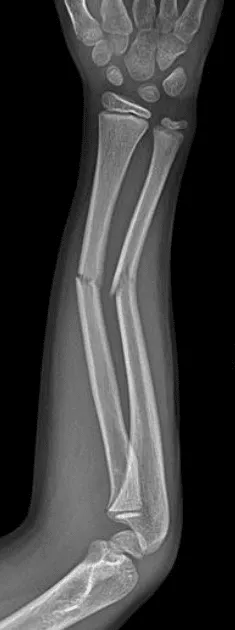
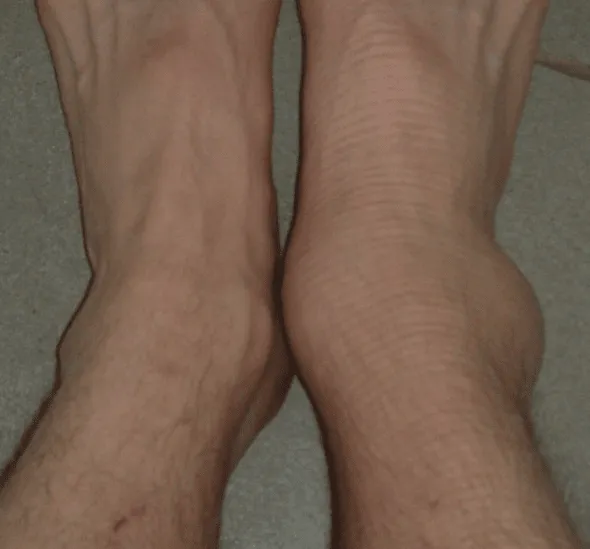
Signs & Symptoms Of Fractures Include:
- Pain
- Bruising
- Deformity
- Loss of ability to use the limb
- Swelling
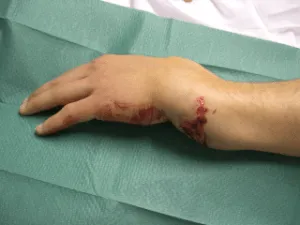
Compound Or Open Fractures:
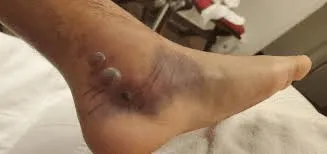
This is when there is an open wound or break in the skin near the site of the broken bone.
An open fracture requires urgent treatment because the skin wound allows dirt and other contaminants to enter the wound and cause infection.
Treatment includes cleaning out the wound, tissues, and bone in a surgical procedure as soon as possible. The fractured bone must also be stabilized to allow the wound to heal.
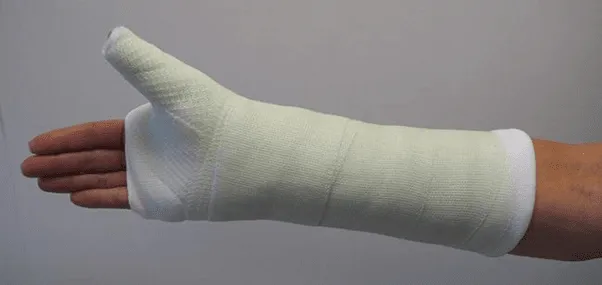
Treatment Of Fractures Includes:
Casts and splints. These devices immobilize a fracture, allowing the fracture to heal.
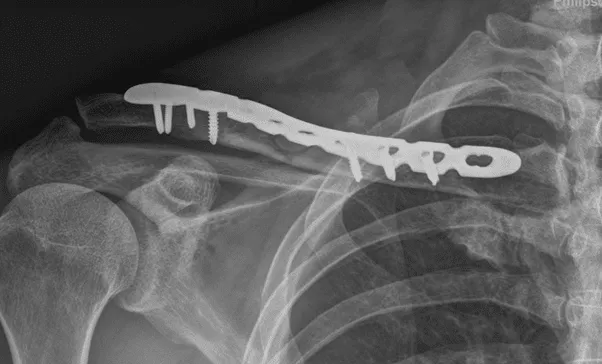
Surgery. For some types of fractures, use of screws, plates, rods or frames may be needed to obtain better outcomes.
Complications Of Fractures Include:
Compartment syndrome. This is where severe swelling or bleeding of muscles surrounding the fracture may lead to long-term damage to the limb.
Stiffness and weakness of the limb.
Deep vein thrombosis. Clots forming in the veins which can dislodge and travel to other parts of the body, especially the lungs. Such complications can be potentially life threatening.
Cast-related complications. These can include pressure sores, skin rash, muscle wasting and joint stiffness.
The fracture fractures may also shift or migrate over time, especially with cast or splint immobilization.
If you suspect you may have sustained a fracture, it is important to see a doctor urgently. Prompt assessment and management of fractures by an orthopaedic specialist is important for best outcomes. Our specialists are available around the clock, 24 hours a day, 7 days a week to attend to and treat fractures.

Post-Fracture Recovery & Rehabilitation
Recovering from a fracture involves more than just healing the bone; it requires a comprehensive approach to restore function and prevent future injuries. Here’s what to expect during the recovery phase:
Rehabilitation Process
- Immobilisation: Depending on the fracture type, immobilisation using casts or splints is essential to ensure proper alignment and healing.
- Physical Therapy: Once the bone begins to heal, physical therapy helps regain strength, flexibility, and range of motion. Tailored exercises focus on the affected area to facilitate a return to daily activities.
- Nutrition: A diet rich in calcium and vitamin D supports bone healing. Incorporating foods like dairy products, leafy greens, and fortified cereals can be beneficial.
- Follow-Up Appointments: Regular check-ups allow your orthopaedic specialist to monitor healing progress and adjust treatment plans as necessary.
When to Seek Immediate Medical Attention
- Increased Pain or Swelling: If pain intensifies or swelling doesn’t subside, it may indicate complications.
- Signs of Infection: Redness, warmth, discharge, or fever could suggest an infection, especially if surgery was involved.
- Numbness or Tingling: These sensations might point to nerve involvement and require prompt evaluation.
Frequently Asked Questions (FAQS)
Healing times vary based on the fracture's severity and location. Generally, bones take about 6 to 8 weeks to heal, but complete recovery, including rehabilitation, may take longer.
It's crucial to follow your doctor's advice. While some light activities might be permitted, strenuous exercises should be avoided until full recovery to prevent re-injury.
Not all fractures require surgery. Simple fractures often heal with immobilisation, but complex or displaced fractures might necessitate surgical intervention.
Improper treatment can lead to complications like non-union (failure to heal), malunion (healing in the wrong position), or chronic pain and dysfunction.
Maintaining bone health through a balanced diet, regular exercise, and avoiding high-risk activities can reduce the risk of fractures. For those with osteoporosis, specific medications might be recommended.
Yes, stiffness is common due to immobilisation. Physical therapy plays a vital role in restoring mobility and strength post-cast removal.
Enquire More About Fracture Treatment
Should you have any questions about our Fracture Treatments in Singapore, please do not hesitate to get in touch with us. Click here if you’d like to find to more about our accomplished team!