



Meniscal Repair
Meniscus Tears
The meniscus is shock-absorbing cartilage in the middle of your knee. There are two menisci – one on the inside (“medial”) and another on the outside of the knee (“lateral”).
Patients with meniscus tears will complain of pain on either side of the knee. Sometimes there is associated swelling of the knee. Twisting or squatting can cause increased pain. Occasionally, if there is a large meniscus tear, a patient can complain that their knee locks, that is, it gets stuck in a certain position then needs to be “wiggled” to get it back into place. Surgery is needed to treat the torn meniscus.
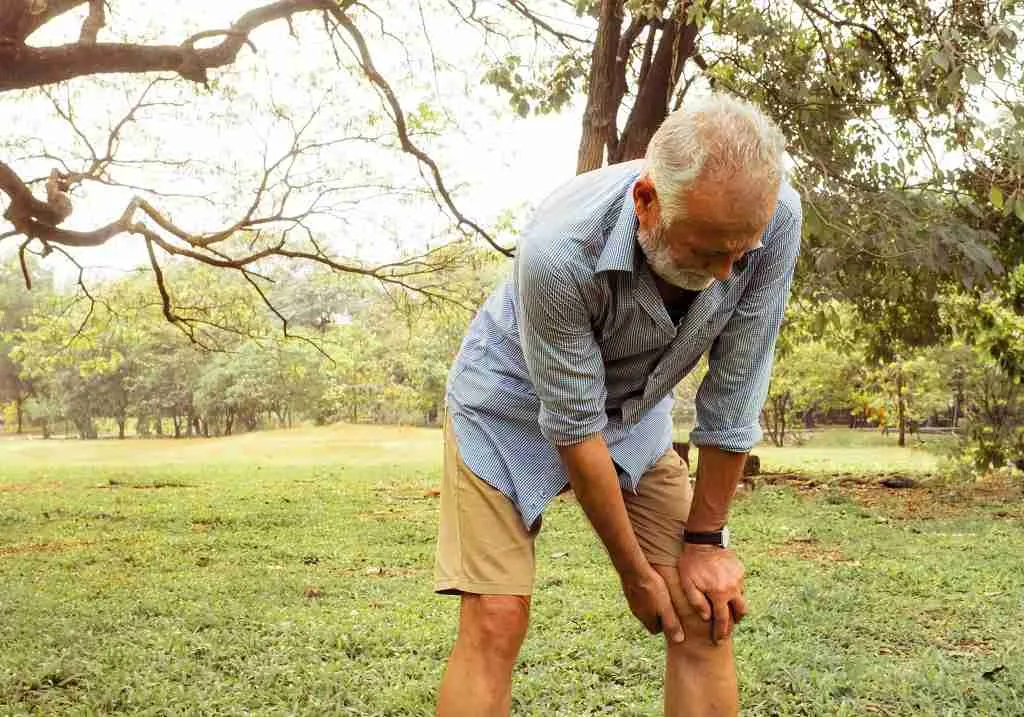
Traumatic tear – twisting injuries to the knee can cause meniscus tears. This can happen during sports or even while doing things around the house or office. Road accidents are another common way of injuring the meniscus.
Degenerative tear – as you age, so do your menisci. They “wear out” and can tear with minimal trauma. Often people don’t remember what caused the tear at all!
Meniscal tears are usually diagnosed from the patient’s history and physical examination but a Magnetic Resonance Imaging (MRI) scan is very useful for confirming the diagnosis. If your knee continues to produce pain, your physician may recommend keyhole or arthroscopic surgery. However, not all people with a meniscus tear require cartilage repair surgery in Singapore. Some people are able avoid surgery if they can cope with their symptoms.



Treatment Options for Meniscus Tears
Once a meniscus tear is diagnosed, treatment options will depend on the type, location, and severity of the tear, as well as the patient’s age, activity level, and overall health. For many patients, initial treatment may include rest, ice, compression, and elevation (RICE) combined with physical therapy to strengthen the surrounding muscles and improve joint stability. Anti-inflammatory medications can also help manage pain and swelling.
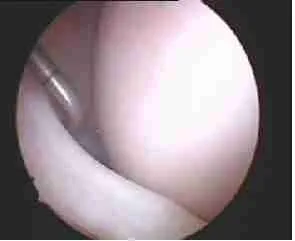
For those who continue to experience discomfort or have more severe tears, surgical intervention might be recommended. Arthroscopic surgery, a minimally invasive procedure, is commonly performed to repair or remove the damaged part of the meniscus. Surgery aims to relieve pain, restore function, and prevent further joint damage.
Rehabilitation and Recovery
Post-surgery rehabilitation is a critical component of the recovery process. A tailored physical therapy program will be designed to help restore knee strength and range of motion while minimizing the risk of future injuries. Most patients can return to their regular activities, including sports, within a few months, depending on their progress and adherence to the rehabilitation plan. However, it is essential to follow your surgeon’s advice on activity limitations and gradually increase the intensity of exercises as the knee heals.
Preventing Meniscus Tears
While not all meniscus tears can be prevented, particularly those related to ageing, you can take steps to reduce the risk of injury. Key preventive measures include maintaining strong muscles around the knee, improving flexibility, and practising good technique during sports and exercise. Wearing proper footwear and using knee support during high-impact activities can also help protect the knee joint.
When to See a Doctor
If you experience persistent knee pain, swelling, or instability, seeking medical advice is crucial. Early diagnosis and treatment can prevent further damage and improve your chances of a full recovery. At OrthoSports Clinic, our team of experienced orthopaedic surgeons, including Dr KC Ang, Dr David Paul Bell, and Dr Sean Leo, are dedicated to providing personalized care and the latest treatment options to help you regain your knee function and return to your active lifestyle.
FAQ
- Symptoms of a meniscus tear can include pain on either side of the knee, swelling, difficulty bending or straightening the knee, and a feeling of the knee being “locked” in place. Some patients may also experience a popping sensation at the time of injury.
- A meniscus tear is typically diagnosed through a combination of patient history, physical examination, and imaging tests such as an MRI. The MRI confirms the diagnosis and determines the extent of the tear.
- Not all meniscus tears require surgery. Some patients may find relief through conservative treatments like rest, physical therapy, and anti-inflammatory medications. However, for those with significant pain, instability, or large tears, arthroscopic surgery may be recommended.
- Recovery time varies depending on the individual and the extent of the tear. Most patients can return to normal activities within a few months, with a structured rehabilitation program to guide them.
- Some small meniscus tears, particularly those located on the outer edge of the meniscus where blood supply is better, may heal independently with conservative treatment. However, many tears, especially those in the inner regions, may not heal without surgical intervention.
- After a meniscus tear, avoiding high-impact activities that can strain the knee, such as running, jumping, or twisting movements, is advisable. Your doctor or physical therapist will guide you on when it’s safe to resume these activities.
Enquire More About Meniscus Tear Surgery
Should you have any questions about our meniscus tear surgery in Singapore, please do not hesitate to get in touch with us. Click here if you’d like to find to more about our accomplished team!